

No, most Galicians don’t speak much English, although we are improving. While learning some Galician is not essential for exploring Galicia, as all Galicians speak Spanish, it will make your trip more interesting and enjoyable.
Yes, you can travel to Galicia without speaking Galician, but it’s so unusual for a foreigner to speak our language that making even a small effort to learn a few basic words will earn you a place in the local community. Therefore, if you want to deep travel our homeland, we always recommend learning a bit of Galician.
Short language guide for travellers visiting Galicia
(*) And don’t worry — our guides speak Galician, Spanish and English, and will provide continuous support on all Troulanders trips to help you communicate like a local, even in the most rural and lesser-known parts of Galicia.
Basic Galician for travellers: useful phrases
Yes
Sí
No
Non
Please speak to me in English.
Pódeme falar en inglés, por favor?
Please wait a moment.
Agarde un intre, por favor
Please repeat more slowly.
Repita máis amodo, por favor
Bear in mind that Galician is sometimes an ambiguous language and instead of ‘no’ you may be answered
- with a question
- with a vague answer such as ‘pode ser’ (it might be), ‘se cadra’ (it depends) or other.
They do not mean to be rude; it is simply part of the Galician way of life. Take it easy; some people find it difficult to give a direct answer.


Basic greetings in Galician:
Hello (at any time of day).
Ola
Good morning / Good afternoon / Good evening.
Bos días / Boas tardes / Boas noites
Goodbye.
Adiós
See you tomorrow / See you later
Ata mañá / Ata logo
Introducing yourself in Galician
Hello, my name is ○○○. Nice to meet you.
Ola, chámome ○○○. Encantada (female speaking)
Ola, chámome ○○○. Encantado (male)
What is your name?
Cómo se chama vostede?
What country/city are you from?
De onde é vostede?’
I’m from Australia / Scotland
Son de Australia / Escocia
*If you know how to say it in Spanish, Italian or Portuguese, you can say it and they will usually understand you.
Thanks and apologies
Thank you very much.
Moitas grazas
Thank you.
Grazas
(also ‘graciñas’)
Please.
Por favor
You’re welcome.
Non é nada
I’m very sorry.
Síntoo moito
Excuse me.
Disculpe
(also ‘perdón’)
Transport and directions
Could you tell me how to get to ○○○, please?
Podería indicarme cómo ir a ○○○, por favor?
A ticket to ○○○, please.
Un billete para ○○○, por favor
How much is a ticket to ○○○?
Canto custa un billete para ○○○?
Where is the taxi rank?
Onde se collen os taxis?
Take me to ○○○, please.
Léveme a ○○○, por favor
Where is the bus stop to go to ○○○?
Onde é a parada de bus para ○○○?
Which bus goes to ○○○?
Qué bus vai para ○○○?
Does this bus go to ○○○?
Este bus para en ○○○?
Basic dialogue in restaurants
What is this?
Qué é esto?
How much does it cost?
Cal é o prezo?
I would like to eat ○○○, please.
Querería ○○○, por favor.
What do you recommend? / What is your suggestion?
Qué me/nos recomenda?
(me for one person, nos for plural)
What is the menu of the day?
Cal é o menu do dia?
I am allergic to ○○○.
Son alérxica a ○○○. (if the person speaking is a male)
Son alérxico a ○○○. (if the person speaking is a female)
I am vegetarian.
Son vexetariano (if the person speaking is a male)
Son vexetariana (if the person speaking is a female)
I am vegan.
“I only eat vegetables” or “I am vegan”
This is a tricky one as most Galicians do not understand the true implications of vegan and you might find rice plates cooked with chicken stock, vegetables with cured ham or “vegetable sandwiches” that have egg and ham inside. Tell us in advance and we guarantee you will eat as well as your companions (and vegan) on your trip to Galicia.
Is this kosher / halal?
É kosher / halal?
Another tricky one, most restaurants are not used to cater different diets so let us know in advance and we will make the necessary adjustments for you.
The bill, please.
A conta por favor.
Also “Canto é?”
Shopping
Do you have ○○○?
Teñen ○○○?
How much does this cost? [Pointing to the item] ¿Canto é esto?
I would like this, please. [Pointing to the item in the shop or on your mobile phone] Quero esto
Can I try this on?
Podo probarme esto?
*Fala means ‘speak’. But in a small valley in Cáceres (the Jálama Valley), they speak their own dialect, similar to Galician and Portuguese but originating in León, known as ‘A Fala’.
It is not the only dialect you will encounter on your travels through northern Spain. In addition to the co-official languages (Spanish, Galician, Basque and Catalan), Bable, Extremeñu, Aranés and other dialects are also spoken here.
Be part of it,
join one of our expeditions
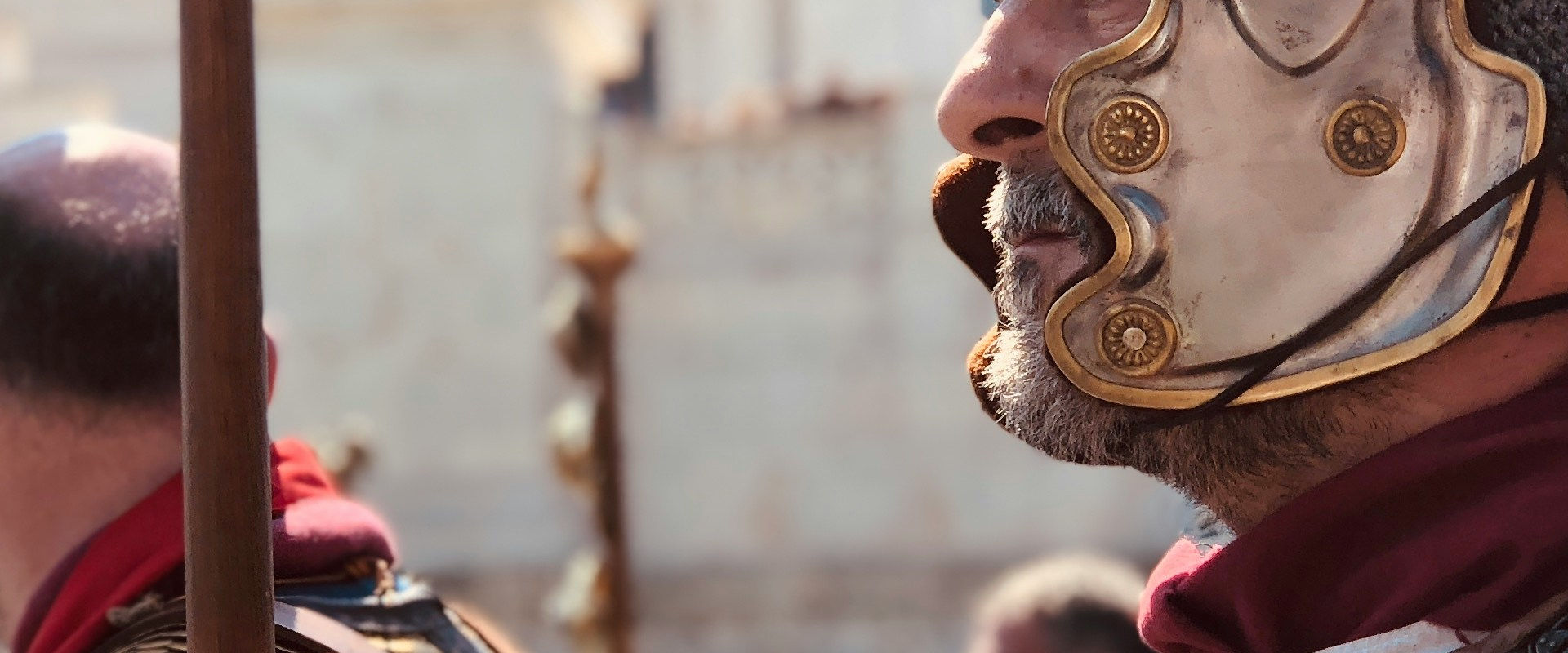
ARDE LUCUS: travel back to the roman past
Dress up and dare to live like a Roman for one day
WHEN: 19th or 20th june 2026 (2027 dates peding)
IDEAL LENGTH: 4-6 hours
PRICE: from 585 € pp, excluding flights and accommodation
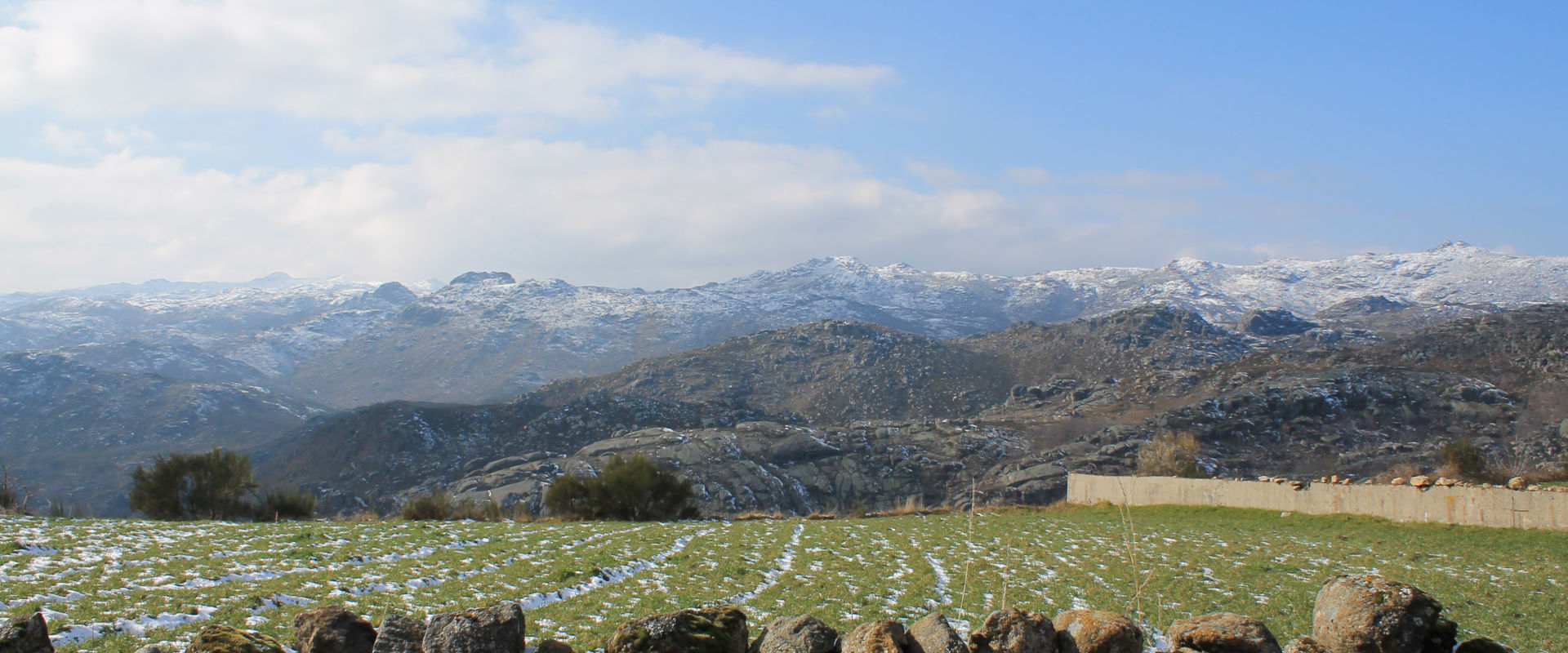
RAIA: Expedition to the Gerês – Xurés border
Experience the history, and shared traditions of the border between Galicia and Portugal
WHEN: On demand. Recommended for spring and autumn.
IDEAL LENGTH: 5 days and 4 nights
PRICE: from 3.400€ pp excluding flights (based on 2 people sharing)
