
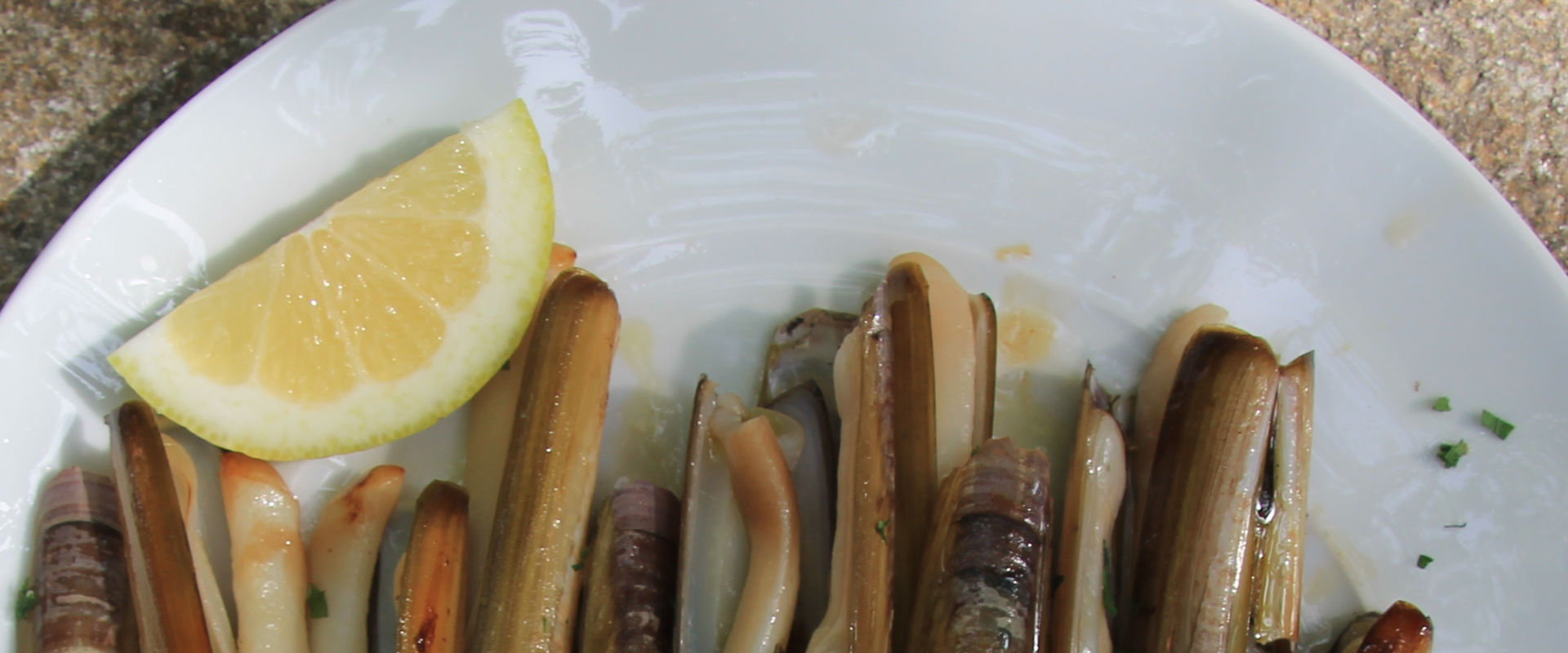

If you’re planning a trip to Galicia, eating should be at the top of your wish list. Galician cuisine is more than just a way of cooking; it’s a cultural experience based on high-quality ingredients treated with almost reverential respect.
Eating out is a social activity in Galicia. In cities such as Ourense and A Coruña, going out for tapas or ‘wine’, following an improvised route and trying a bite or two in each bar is a way of life. All you need is good conversation, something to eat and a drink to make new friends, arrange plans and connect with others on a deeper level.
Find out how to make the most of your next culinary trip to Galicia.
Meal Times
Breakfast (7:00–9:00): In Galicia, breakfast is usually a light meal consisting of coffee with milk and toast made from freshly baked bread or sponge cake. However, many accommodation providers offer a much more extensive buffet, with local cheeses and cold cuts, fruit, and cereals.
Lunch (14:00 – 16:00): This is the main meal of the day. Restaurants usually start serving at 1.30 or 2.00 pm. As well as the à la carte menu, many restaurants offer a menu del día on weekdays, consisting of two courses, a dessert, a drink and coffee, all for a fixed price.
Dinner (9:00 p.m. – 11:00 p.m.): In Galicia, dinner is lighter than lunch and is usually eaten later than in other countries. It is rare to have dinner before 9 p.m., but it is becoming increasingly common to find places that serve meals earlier, especially in tourist areas.
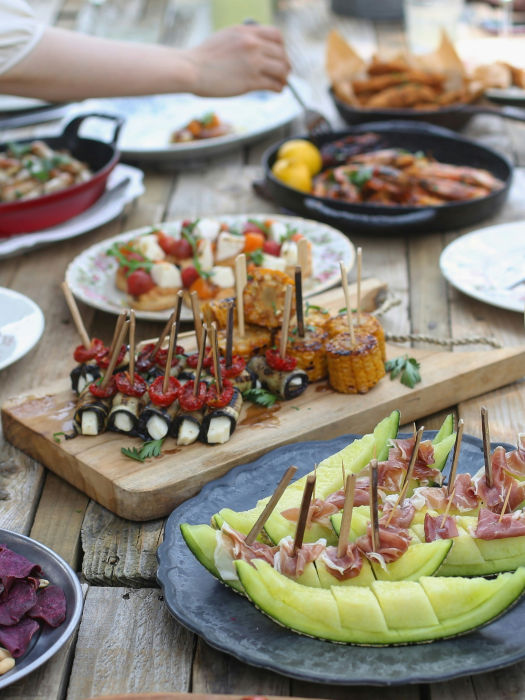
Table Manners
Wait: Usually, you wait until everyone has been served before you start eating. However, if you are sharing tapas in the centre of the table, it is normal for everyone to help themselves from the dishes as they arrive.
Pan: Bread (known as pan) is an essential part of Galician cuisine. It is served to accompany the meal, rather than as a starter, and it is generally considered acceptable (and expected) to use a piece of bread to mop up the sauce.
Talking and eating: Although Galicians tend to talk to each other while eating, it is considered very rude to talk while chewing. The same goes for chewing noisily or slurping soup.
Sharing dishes: In Galicia, it is customary to order smaller portions to share with others. These are usually listed on the menu under a section called ‘Raciones‘ or ‘para compartir‘ (to share), but any dish can normally be shared. Just ask the waiter. The only thing that usually cannot be shared is the ‘menu del día‘.
Sobremesa: After the meal, it is customary to stay at the table and chat for a long time, even after you have finished eating. Getting up immediately after eating can be considered rude, but you can also move the conversation to another place, such as a café or outdoors.
Hot drinks: Although it is common in other countries, it is not customary in Galicia to drink hot beverages with lunch or dinner. Coffee (with or without milk) or tea is usually served at the end of a meal. If you would like a hot drink, restaurants often offer soups during the colder months. You may also find soups in summer, but they are less likely to be served hot.
In the restaurant
Allergies: Spanish regulations require restaurants to indicate any allergens included in each dish on the menu. However, as many local chefs tend to improvise or create off-menu dishes, we recommend consulting one of our experts and asking the kitchen to confirm that a dish does not contain any ingredients you should avoid.
Cover charge: Many restaurants serve bread and charge for it, along with a cover charge. Bread is not mandatory, but the charge is usually applied equally to all diners. Unlike in Portuguese restaurants, it is not common practice in Galicia to charge for starters that have not been ordered, except for the cover charge.
Water: All bars and restaurants are required to offer tap water (auga do grifo) free of charge upon request. In many places, if you simply ask for auga, you will only be served bottled water, so you need to specify ‘do grifo‘ (tap water). Recently, it has become popular to serve filtered water instead of bottled water in an effort to reduce environmental impact.
The bill: The bill (a conta) is not brought automatically. You need to ask for it. It is common for one person to pay the total and then be reimbursed by the others, or for one person to treat the others. In this case, it is expected that someone else in the group will treat them next time, and so on.
Tips: In Galicia, tipping is entirely voluntary and is becoming less common as regulations require restaurant and café workers’ salaries to be sufficient without gratuities. It is only common to leave a tip of between 5% and 15% when the service is considered very good, but this is never mandatory. In cafés, it is customary to round up the bill.
Eating at someone’s house or at an event.
Gifts: It is customary to bring a gift to enjoy during or after the meal, such as a bottle of wine, a dessert or chocolates, or to bring flowers or a small plant for the hosts. After the meal, it is polite to ask if you can help set or clear the table, but you will most likely be declined.
The ‘pica pica‘: In many homes, it is customary to serve a starter so that guests can eat before sitting down to the main meal. Additionally, the menu can be based on shared dishes and portions. Many travellers are overwhelmed with the amount of food on the table. Our guides will provide information about the food and menu in advance when needed, and help you fit in like one of the family at the table.
The toast: When toasting, it is essential to look into the eyes of the people you are clinking glasses with, and to drink at least a sip of the drink. Toasts are usually accompanied by the words Saúde or ‘chin-chin‘. Although it has long been considered bad luck to toast with water or non-alcoholic drinks, this belief is fortunately fading, so you can participate in a toast whatever you are drinking.
*Xantar is the Galician verb for ‘eating’. Find more vocabulary tips for your next trip to Galicia in this language guide for travellers visiting Galicia.
Be part of it,
join one of our expeditions
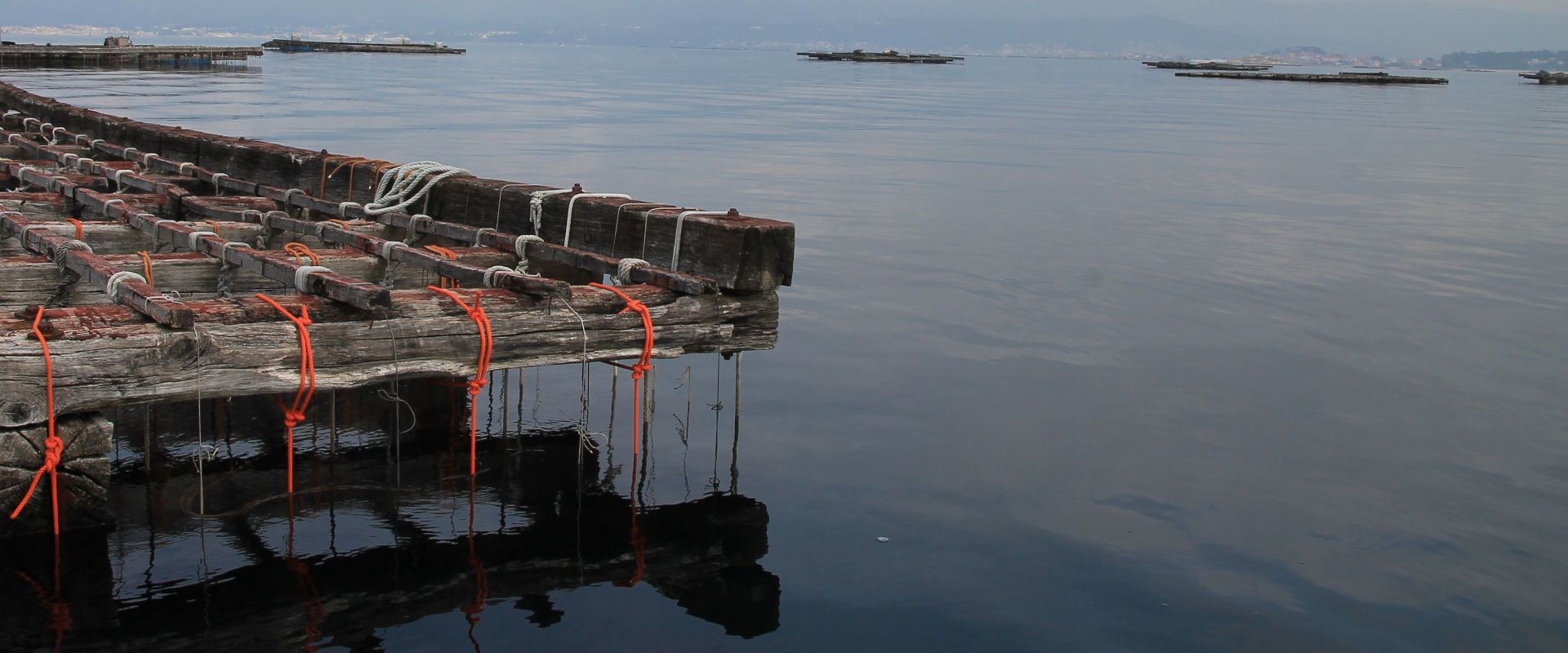
AMEIXA: of wine and sea in Arousa
A trip to experience the best of wine and seafood of Rías Baixas
WHEN: best for spring, summer and autumn seasons
IDEAL LENGTH: recommended 4 days / 3 nights
PRICE: from 1752€ pp excluding flights (based on 2 people sharing)
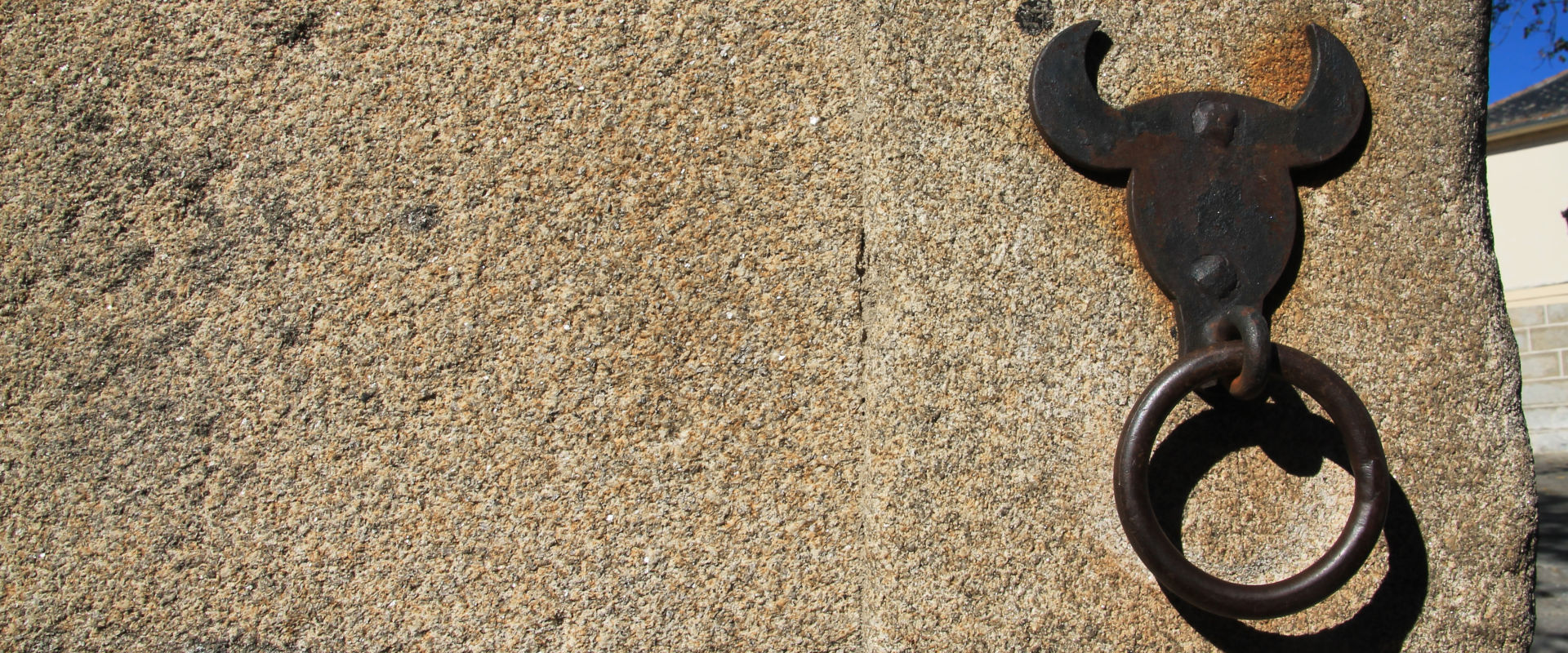
BOI: Ox & Cheese traditions in Allariz
Dare to discover the legends and traditions of Allariz.
WHEN: Recommended for autumn and spring. Available all year.
IDEAL LENGTH: 3 days and 2 nights
PRICE: from 1.200€ pp excluding flights (based on 2 people sharing)
