

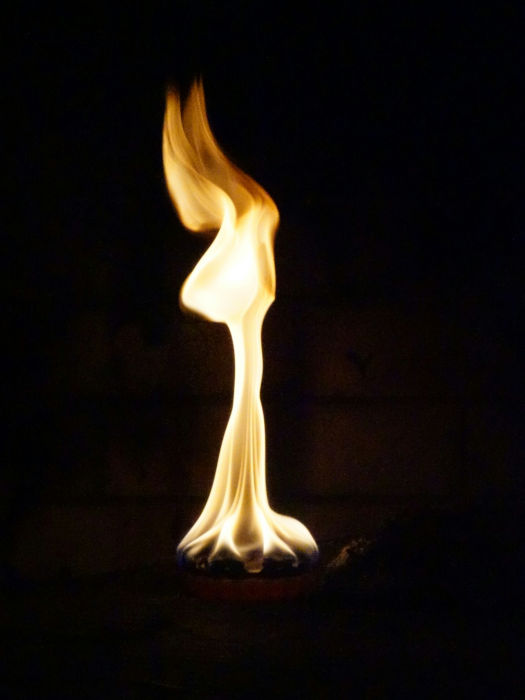
A spell is chanted in Galician language over a clay cauldron with flaming liquid, on a starry night with the moon casting long flickering shadows. In the air, the smells of citrus and strong spirit mix. This is called Queimada.
Ask visitors and locals and they will probably tell you that it is an ancient Celtic ritual. A pagan tradition passed down trhough centuries to ward off evil spirits. But the Queimada ritual isn’t as ancient as you might think… and that’s what makes it so special.
Don’t get us wrong, we love Queimadas!
This isn’t a story about a “fake” tradition. But a story about how traditions are born, why we need them, and how a modern invention became a fiery reflection of Galicia’s soul.
For decades, the story of the Queimada was tied to pre-Roman tribes and Druidic rites. While it’s a fantastic story, the historical breadcrumbs just aren’t there.
Most of the key ingredients – sugar, coffee beans, lemons – were unavailable in ancient Galicia. Sugar and lemons arrived to Spain as early as the 7th century and coffee didn’t arrived to Spain until the 18th century. And even when they were available, they were too expensive to be widely available in small villages.
On the other hand, the distillation of alcoholic drinks (aguardente) from grape skins is an activity that has been well-documented in Galicia since ancient times, as has its burning for therapeutic purposes. This drink became popular among migrants who moved to Madrid, Barcelona, Buenos Aires or Mexico City in the 1950s and 1960s. They missed their homeland and sought ways to connect with their roots.
In 1955 a potter from Mondoñedo received an unusual request from a client who wanted a special container for burning “aguardente” at family gatherings, something that could withstand the fire and look good. This is when the traditional clay pot with legs, a large spoon and cups was born.
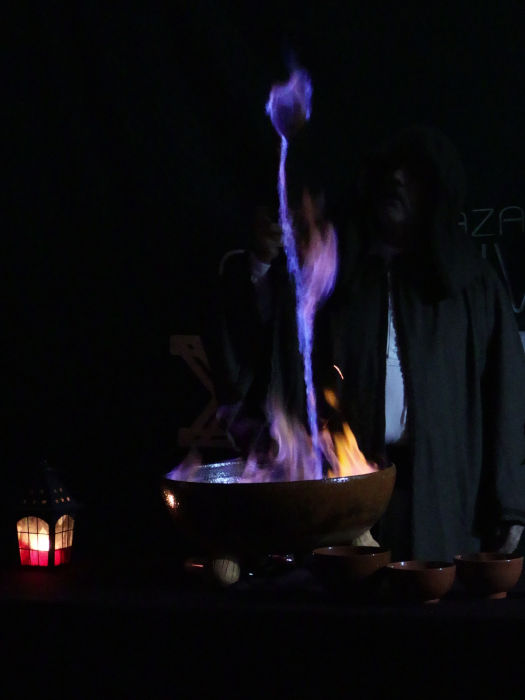
Twelve years later, in 1967, Mariano Marcos Abalo, an employee of Banco Pastor bank and member of the Bétrema poetry group recited some verses for the first time on a confiscated boat in the port of Vigo. They began like this: ‘Mouchos, coruxas, sapos e bruxas…’
He didn’t “discover” an ancient text. Instead, he created a piece of art that captured the mystical and superstitious spirit of rural Galicia perfectly. It felt ancient, and that’s what mattered. He would later recite it at a meeting with tourism representatives of Galicia and Portugal in 1974.
The Queimada became a symbol of Galician identity. It was a packaged, theatrical, and easily shareable way to express Galician identity. It took the stereotypes of Galicia—mystical, connected to the earth, a somewhat superstitious—and turned them into a powerful, positive ritual.
It is also a community event. As the flames burn, you share stories, you laugh, and you connect. The spell isn’t just about warding off witches; it’s about strengthening the bonds between you and your family and friends.
But more importantly, it fosters a sense of belonging: From the 20th-century migrants to today’s expats, this ritual is a direct, sensory link back to our hometowns.
Why you will love it
The spectacle: Let’s be honest, it’s just cool. Watching someone chant a spell while ladling blue flames in the dark is pure theater. It’s dramatic, spooky, and utterly mesmerising.
The social ice-breaker: The best way to experience a Queimada is with locals or a group of friends. It’s a ritual designed to bring people together. You will join the conxuro, share a drink, and immediately feel a sense of belonging.
The Fire: The Queimada is the perfect metaphor for Galicia itself: it appears ancient and mystical on the surface, yet it is deeply rooted in modern realities of family, community, and identity.
So if you find yourself in Galicia and someone offers you a cup from a smoking cauldron, accept it. You’re not just drinking a cocktail; you’re drinking a story. You’re taking part in a tradition born from a longing for home, and that is the most powerful magic of all.
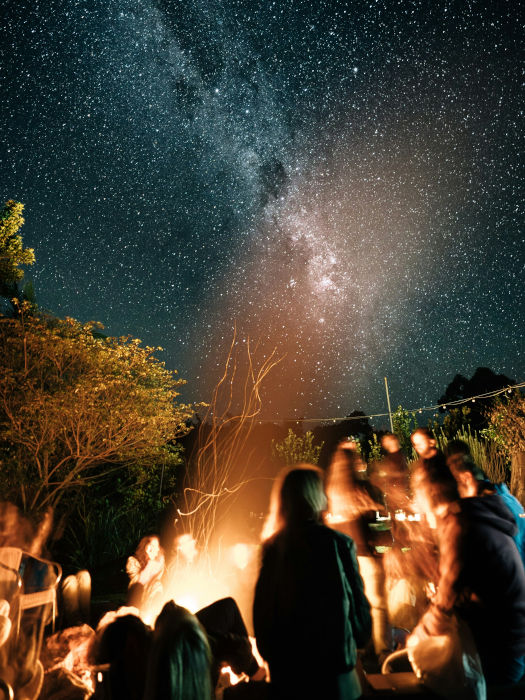
*Lume means ‘fire’. It also means light (as in really hot sunlight) and we use it as “hot”.
There are many Galician festivals, celebrations and traditions that revolve around fire. From the winter ones like Magosto to the summer festivals of San Juan (Saint John). Ask our travel experts on the best way to enjoy them on your next trip to Galician traditions and culture.
Be part of it,
join one of our expeditions
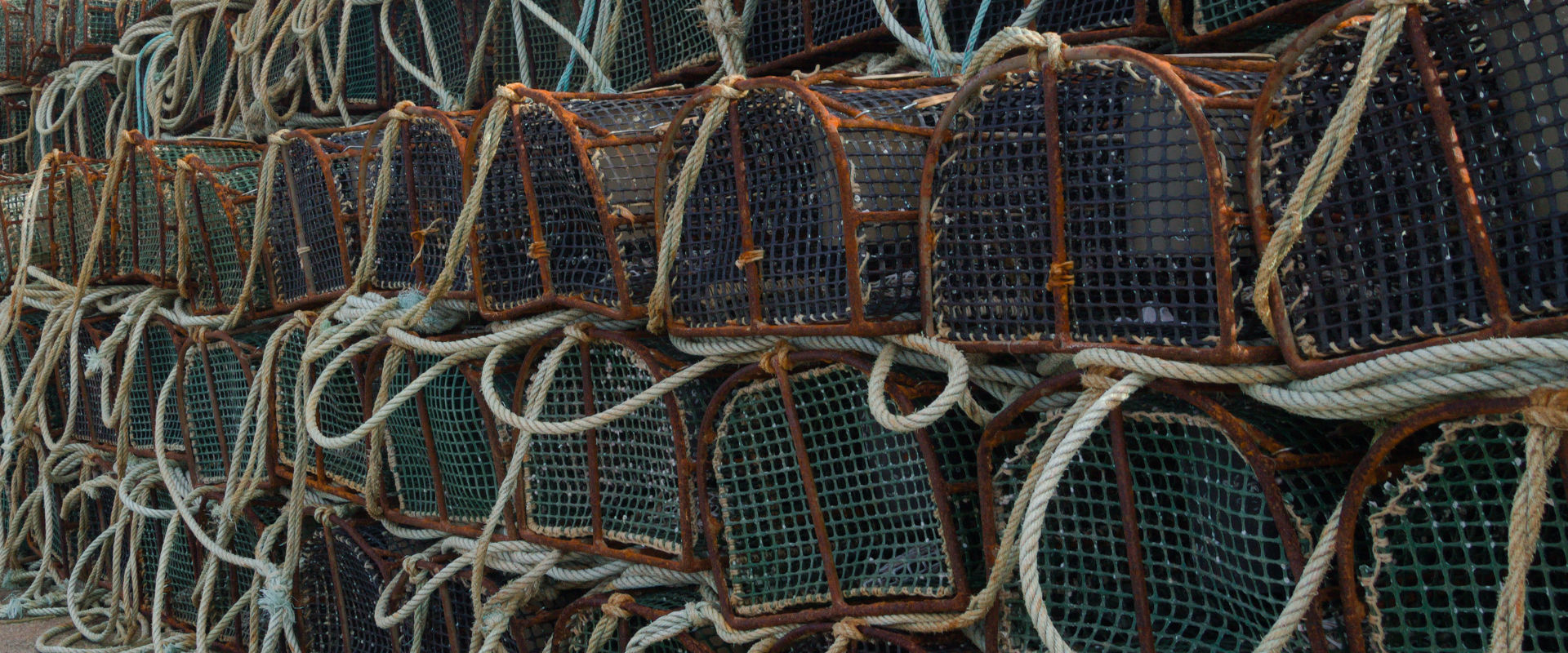
XOIA: shaping the past and present of Rias Baixas
Dare to discover the current flavours of the Rías Baixas
WHEN: best for spring, summer and autumn seasons
IDEAL LENGTH: recommended 7 days / 6 nights
PRICE: from 4880€ pp excluding flights (based on 2 people sharing)
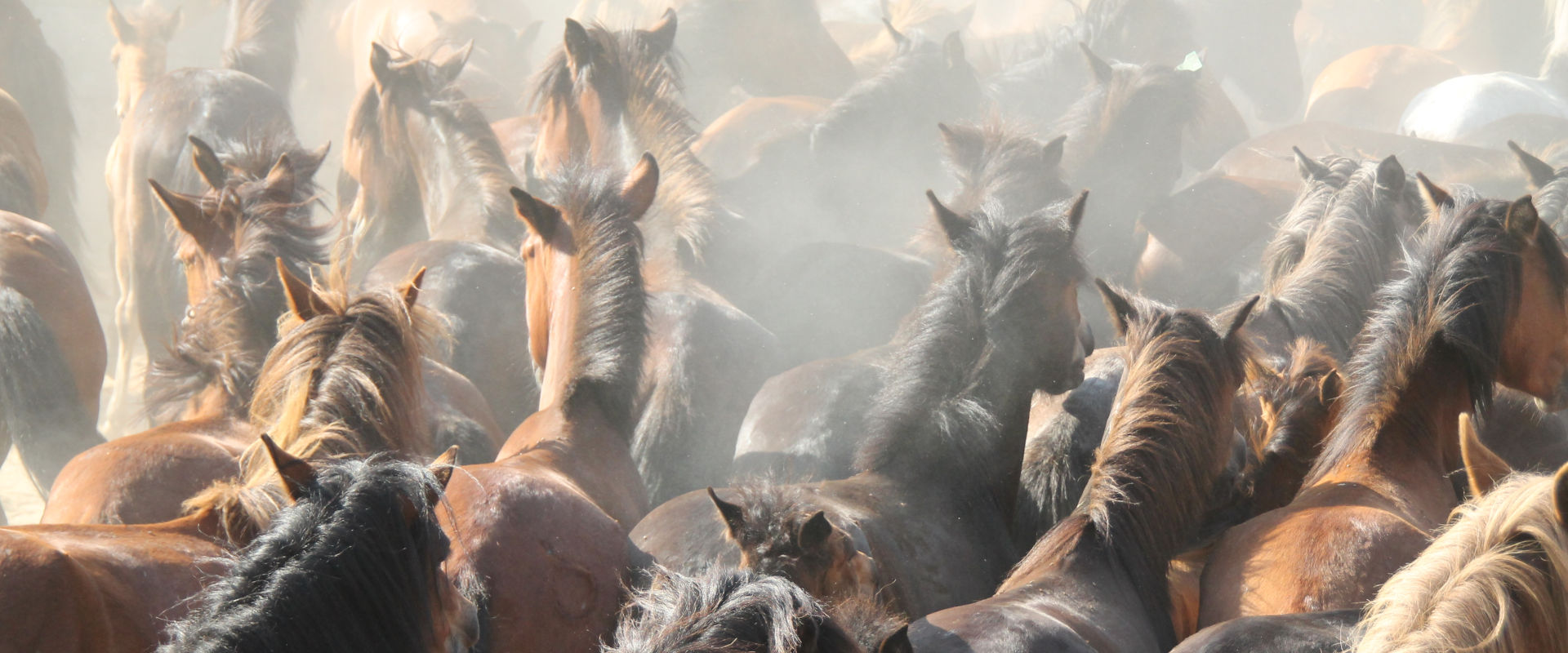
RAPA: Join the Sabucedo Expedition
Deep dive into one of the wildest and oldest traditions of Europe around horses
WHEN: First weekend of July every year. Limited to one group per year.
IDEAL LENGTH: 4 days and 3 nights
PRICE: from 2.200€ pp excluding flights (based on 2 people sharing)
