

As autumn arrives, the forests of Galicia fill with the colours of ochre, gold and red. And its towns and cities are filled with a distinctive scent: that of freshly toasted chestnuts.
The chestnut, once the staple of Galician cuisine, before the potato became widely available, has evolved from being the ‘bread of the poor’ to the star of the celebration. It is a product with a Protected Geographical Indication label (Castaña de Galicia), which brings the whole community together around the fire for “Magosto”.
Discover Galicia’s chestnut traditions
Magosto
Magosto is an ancient ritual and community celebration that is deeply rooted in local culture. It marks the end of the harvest and welcomes autumn. And it is centred around three pillars: chestnuts, fire and local traditions.
As everywhere else, fire helps to combat the cold. But here its hypnotic dance is also believed to scare away evil spirits in anticipation of the winter months. It is also used to roast chestnuts and chorizo sausages, which are then enjoyed by those gathered around the fire during magosto.
The traditions extend even further: in some places, it is believed that each exploding chestnut frees a soul from purgatory. In other places, children are given the task of freeing a soul each time they eat a chestnut, and for this reason they are given necklaces of chestnuts (known as “zonchos”). In many other places, attendees smear their faces with soot to attract good luck.
Believe it or not, this is a time for gathering and sharing some fun time together.
Soutos
Around 60% of the chestnuts grown in Spain come from Galicia. The native Galician chestnut is the Castanea Sativa, of which more than 80 varieties are cultivated locally.
Over the years, people have changed how they cultivate chestnuts. Numerous documents from Cistercian and Benedictine monasteries discuss chestnut production, which was the most profitable crop in the Middle Ages after vineyards. This has led to the development of an extensive vocabulary.
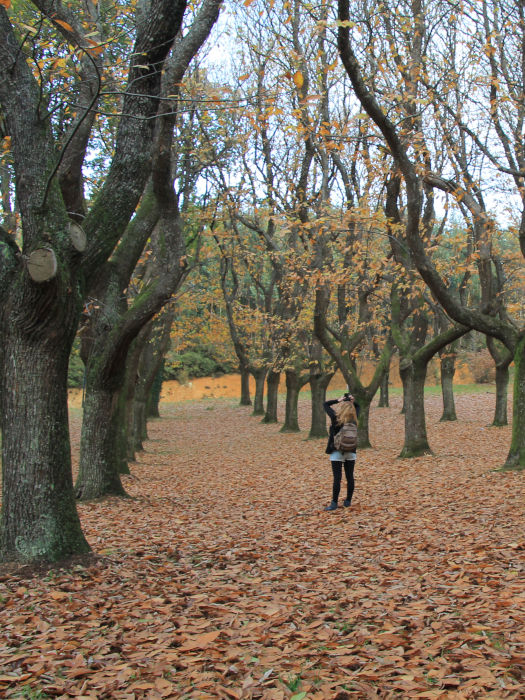
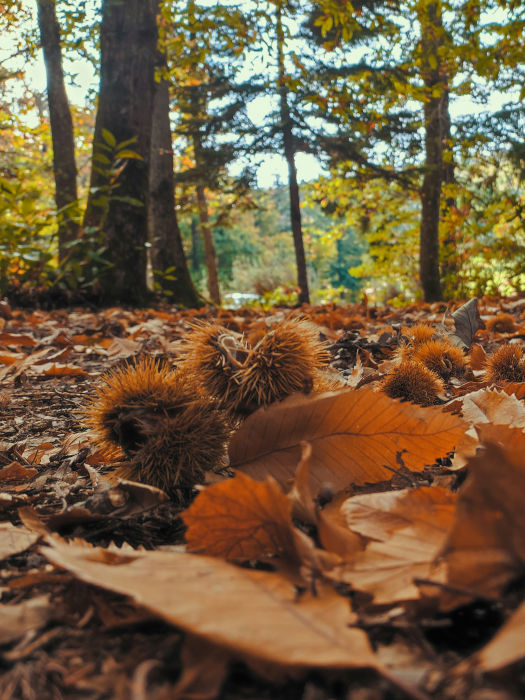
Soutos are chestnut groves, many of which are centuries old and have been lovingly cared for by generations. Walking through them in autumn, with a carpet of leaves crunching underfoot, is an unforgettable experience.
Today, we can find specimens up to a thousand years old in them, such as the one in Pumbariños (Manzaneda, Ourense), as well as others over 800 years old, like the one in Ramil, which is very close to the French Way of St James.
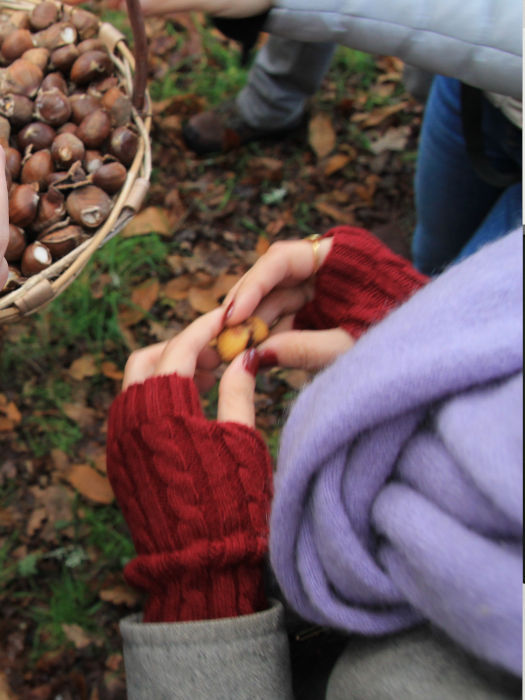
Harvesting (a apaña) is still done by hand. Entire families spend days in the mountains gathering the fruit. In the past, chestnuts were dried with smoke in stone structures called sequeiros to preserve them throughout the year. This process produced ‘castañas pilongas’ or dried chestnuts, which helped people survive the long winters.
Chestnuts today
Galician cuisine has rediscovered this treasure today, and chestnuts can be found in a variety of innovative dishes, from purées and creams to accompany game meats, to delicious cakes, ice creams and liqueurs.
In the O Courel area, for example, they make a traditional moist chestnut cake known as Caurela. Another option is at stunning Parador de Santo Estevo in Ribeira Sacra: one of their signature desserts is a chestnut pie with honey icecream.
Also, some of the most highly prized pork products come from pigs that have been fed this autumn fruit.
And products like the glazed chestnuts are a must at New Year’s Eve celebrations. The Cuevas brand that produces them started business back in 1867 and now exports to over 30 countries worldwide.
Dare to try them on your next trip to Galicia!
Magosto is one of those experiences that reconnects you with the simple things in life, from the warmth of the fire to the taste of this humble fruit, and the joy of music and unhurried conversation. It offers an authentic immersion in Galician culture and makes you feel truly part of it.
If you’re looking for a different kind of trip this autumn, come and share the fire with us. We look forward to seeing you at Magosto!
Be part of it,
join one of our expeditions
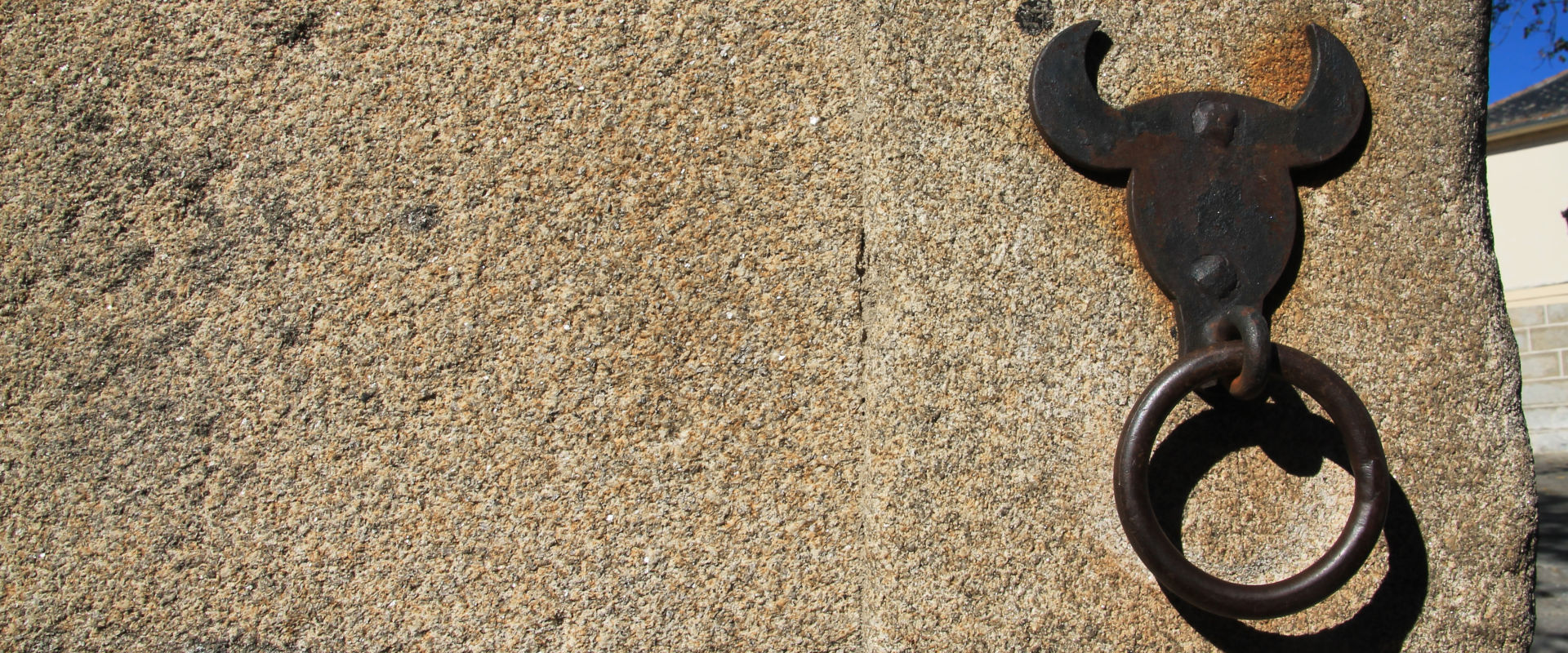
BOI: Ox & Cheese traditions in Allariz
Dare to discover the legends and traditions of Allariz.
WHEN: Recommended for autumn and spring. Available all year.
IDEAL LENGTH: 3 days and 2 nights
PRICE: from 1.200€ pp excluding flights (based on 2 people sharing)
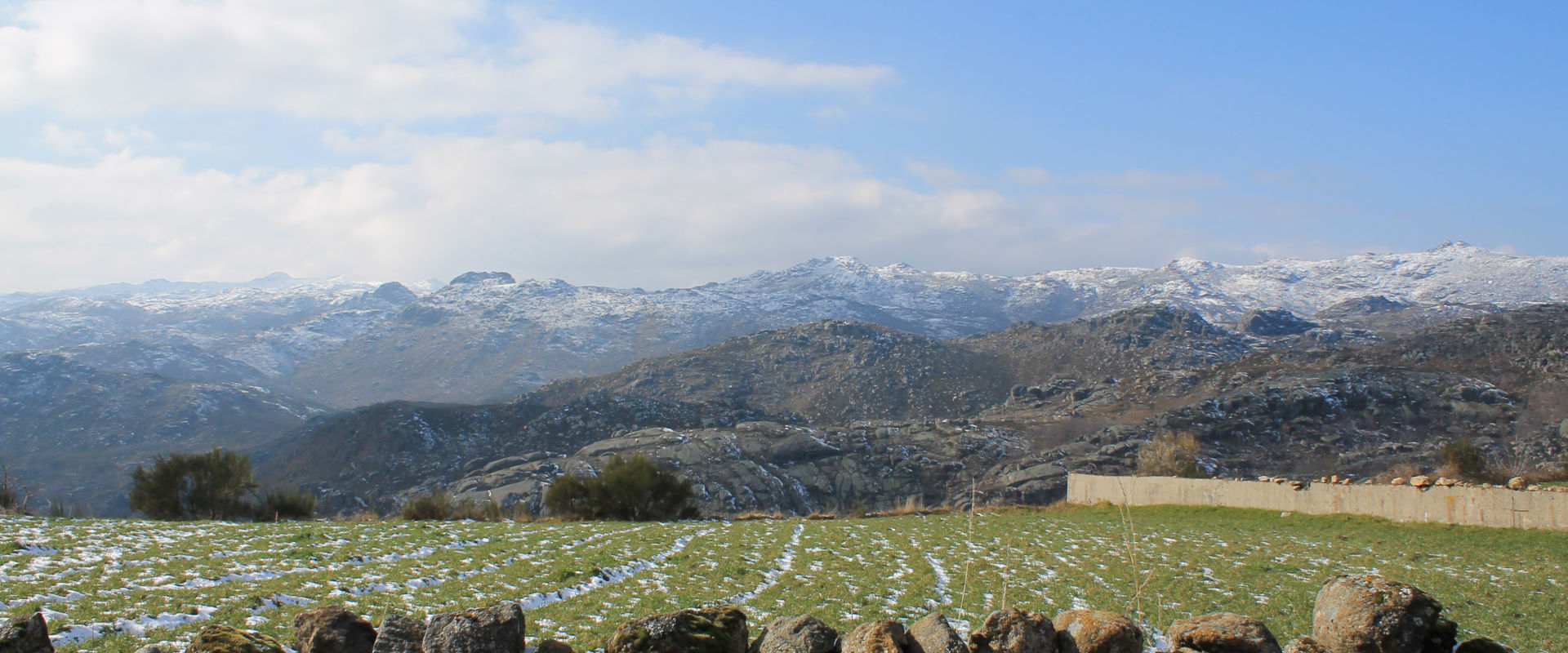
RAIA: Expedition to the Gerês – Xurés border
Experience the history, and shared traditions of the border between Galicia and Portugal
WHEN: On demand. Recommended for spring and autumn.
IDEAL LENGTH: 5 days and 4 nights
PRICE: from 3.400€ pp excluding flights (based on 2 people sharing)
